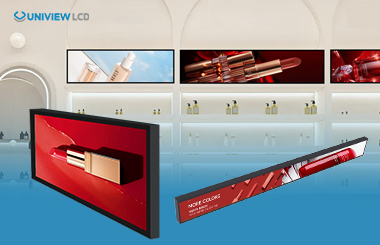
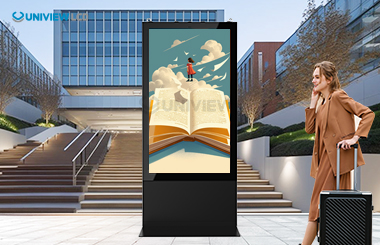
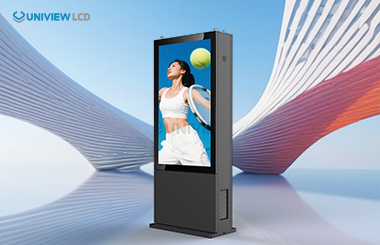
A self-contained visual communication tool that blends commercial-grade hardware and intelligent content management is what you get when you choose an indoor free standing digital display for your store. Unlike screens that are attached to the wall or signs that stay in one place, a movable digital totem can be moved around, doesn’t need to be changed structurally, and works all the time for 24/7 involvement. These screens have high-definition LCD or LED screens, strong metal frames, and built-in media players. This lets stores change deals from afar, move units around based on foot traffic, and make sure customers can see them clearly at the best eye-level angles. Because it can be used in a variety of ways and has been shown to improve dwell time and conversion rates, freestanding digital signage is an important tool for modern retail settings.
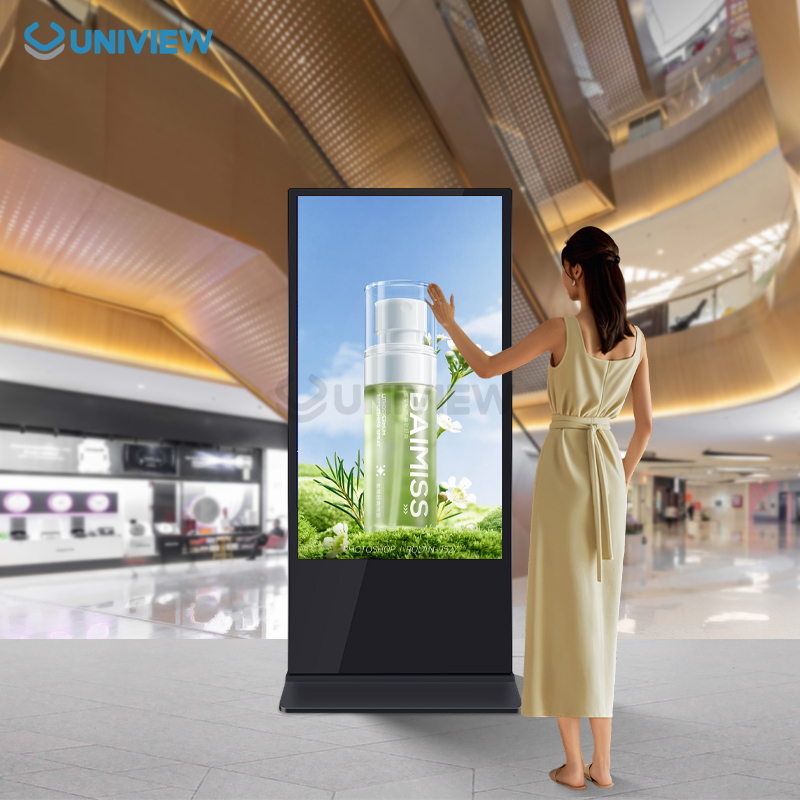
An indoor free standing digital display, also known as a digital totem or floor-standing kiosk, is a business display unit that is vertically orientated and does not need any mounting hardware on the wall or floor. Unlike consumer TVs that have been converted for business use, these units were designed to work continuously in busy store spaces. These computers have commercial-grade LCD or LED screens that are 43 to 86 inches, media players inside that run Android or Windows, and protected cases made of cold-rolled steel or aluminum.
The “freestanding” feature solves important problems in the business. When stores are in leased areas or buildings with glass walls, they can’t always change the structures to fit wall-mounted displays. Freestanding units get rid of this problem, so they can be placed strategically in entryways, checkout lines, or advertising areas without having to be drilled or reinforced. This lack of dependence on a specific architecture speeds up and lowers the cost of adoption, especially for companies that run multiple sites or seasonal stores.
Modern indoor free standing digital displays are made up of several integrated elements that work together. The screen uses Original A+ grade IPS technology, which gives you 178°/178° of viewing angles and color clarity that stays the same no matter where you are. Brightness levels are usually between 350 and 700 nits (cd/m²), and they are set to work with the light inside so that there is no glare and good vision.
The secure case has 4mm to 6mm toughened glass (Mohs hardness level 7) that keeps the screen safe from drops, scratches, and normal use in busy stores. Behind the glass, thermal control systems keep the working temperatures between 0°C and 50°C. This lets the display work reliably 24 hours a day, seven days a week, which is something that consumer-grade displays can’t do. HDMI, USB, and LAN ports are all available for connectivity. Embedded Wi-Fi, 4G, or 5G modules allow remote content changes through centralized control platforms, which eliminates the need to update multiple places by hand.
For traditional printed signs, there are ongoing costs for designing, printing, sending, and putting them up in different places. Digital screens get rid of these costs by letting material be updated instantly from a central dashboard. Marketing teams can plan sales, change messages based on the time of day, or react instantly to changes in product across a whole network of stores. Because of this flexibility, marketing goes from being a fixed, planned action to a flexible, adaptable plan.
With split-screen, you can see different kinds of material at the same time, like promotional movies in the top, product catalogs in the middle, and live social media feeds at the bottom. This flexibility makes the most of the amount of information without being too much for users, which helps stores deal with the problem of limited display space. Studies show that dynamic digital content gets 400% more attention than static signs. This directly leads to more engaged customers and better sales conversion rates at the point of sale.
Creating unique in-store experiences that set brands apart from online competitors is becoming more and more important for retail success. Motion, color, and interactions on indoor free standing digital displays are great ways to get people’s attention. Video material with product demos, customer reviews, or company stories can connect with people on an emotional level that still images can’t. Customers can use interactive touch screens to look through catalogs, check supplies, or get detailed information about products. This turns idle watching into active involvement.
Retail analytics companies have found that with digital signs, shops see an average 30% rise in dwell time. This means that customers stay in the store longer and see more goods. Higher average transaction prices are directly linked to this longer involvement. Customers are more likely to buy something when they use tablet screens to look at their options instead of just browsing real stores. This is especially true for complicated goods that need specification comparisons or customization options.
Store plans need to be flexible enough to accommodate yearly campaigns, sales, and changes in the products sold. Wall-mounted screens don’t move, which makes planning less flexible. Freestanding units can be moved overnight to draw attention to special items, direct traffic during sales events, or make displays that get people’s attention at the front of the store. This movement lets stores constantly find the best uses for expensive floor space by looking at performance data and trends of how customers act.
These screens are self-contained, which makes placement easier and gets rid of the visible clutter of cables that are sticking out. Power and data cables are hidden inside the base unit, which keeps the clean look that fits in with high-end store spaces. Businesses can reuse existing freestanding displays instead of buying new equipment when they open new shops or change the layout of existing ones. This saves money on capital costs and supports flexible retail strategies.
The starting cost of indoor free standing digital displays is higher than the cost of standard signs, but the total cost of ownership is lower. Getting rid of ongoing printing costs—roughly $200 to $500 per site per campaign—saves a lot of money in the long run. When a retail company with 50 locations runs ads every month, switching to digital signage saves them between $120,000 and $300,000 a year. They usually break even in 18 to 24 months.
When compared to older display technologies, LED backlighting and intelligent brightness change use less electricity. Modern units use about 80 to 150 watts of power when they’re on, which is about the same as business lighting sources but has a much bigger effect on marketing. There are more environmental benefits than just saving energy. Getting rid of printed papers cuts down on trash, is in line with companies’ sustainability goals, and appeals to eco-conscious customers who are increasingly considering sustainability when making purchases.
A thorough needs assessment is the first step in choosing the right indoor free standing digital display. Check how much floor space you have and think about both the show area and the areas where customers can move around. Units should help traffic flow instead of blocking it. Look at how people walk by to find the best places to put displays so they are seen by as many people as possible without getting in the way of people getting to the items or the buying process.
The depth of the content affects the gear that is needed. Interactive apps that run product configurators or augmented reality experiences need more processing power than simple advertising clips that show still pictures. Retailers who want to use advanced apps should make sure that the screens they choose have high-performance media players or industrial PC units that can run demanding software. Clarifying content strategies during the procurement phase keeps units from having to pay for expensive hardware updates later on and makes sure they can support changing marketing efforts as digital strategies develop.
The choice of screen size strikes a balance between the need for sight and the available space. A 43-inch screen is good for small shops or hallways with little space, while a 55- to 65-inch screen is better for larger stores. Big-format 75-inch to 86-inch displays make dramatic focal points in big stores or mall hallways, but they need a lot more floor space. Resolution should be at least Full HD (1920×1080), but 4K (3840×2160) is best for big screens or uses that need detailed product images.
Specifications for brightness should be carefully thought through. Standard indoor screens work at 350 to 500 nits, which is fine for places with controlled lighting. Places with a lot of natural light, like near windows or skylights, need 500 to 700 nit screens to stay visible. Don’t give too little information about the brightness—displays that look washed out don’t grab attention and hurt the efficiency of marketing. The amount of energy used depends on the size and brightness of the screen. To save money on power costs without sacrificing visibility, choose units with LED backlighting that is energy-efficient and has automatic brightness change.
 English
 Chinese (Simplified)
 Japanese
 Spanish