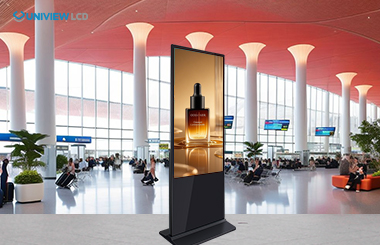
Unattended self-service terminals have become an integral part of our daily lives, from kiosks in retail stores to check-in stations at airports. These devices rely on a combination of hardware and software to deliver a smooth, fast, and intuitive user experience. In this article, we explore the key technologies behind them and how they enhance customer experience.
Key Components of Unattended Self-Service Terminals
1. Display and Input Technologies
High-resolution LCD or LED screens with touch capabilities are the core of most self-service terminals. These displays are designed for durability, able to withstand heavy use and harsh environments. Input methods include capacitive or resistive touchscreens, physical keypads, barcode scanners, and even facial recognition or motion control. Together, these technologies create an intuitive interface suitable for various users and settings.
2. Payment Processing Systems
Secure and versatile payment processing is critical. Modern terminals accept cash, credit/debit cards, and contactless payments. Cash handling includes bill validators and coin acceptors. Card readers are EMV-compliant, supporting chip-and-PIN, magnetic stripe, and smart cards. Encryption and secure protocols protect financial data. Many kiosks also support NFC and QR code payments, meeting the demand for touch-free transactions.
3. Connectivity and Integration
Robust connectivity enables real-time data exchange and remote management. Terminals typically use wired Ethernet or cellular networks, often with redundant connections. VPNs and secure tunneling protect data transfer. Many devices also incorporate IoT capabilities for performance monitoring and predictive maintenance. Cloud-based services and APIs allow integration with centralized databases, remote software updates, and real-time reporting.
How Do Unattended Terminals Enhance Customer Experience?
Convenience and Accessibility
Available 24/7, these terminals let customers transact at their own convenience. User-friendly interfaces make them accessible to all ages and tech levels. Placed in high-traffic areas like malls and transit hubs, they reduce wait times and the need for human assistance, increasing customer satisfaction and expanding service reach.
Personalization and Customization
Through CRM integration and data analytics, terminals can recognize returning users and tailor offerings based on past interactions. This includes language preferences, product recommendations, and targeted promotions. Some systems use AI and machine learning to adapt interfaces in real time, creating a personalized experience that boosts customer loyalty.
Multi-functionality and Versatility
One terminal can serve many purposes: point-of-sale, product information, virtual fitting rooms, ATMs, bill payment, ticketing, check-in, wayfinding, and even healthcare check-ins. This versatility improves customer experience by meeting multiple needs in one place, while helping businesses save space and reduce operational costs.
Future Trends in Unattended Terminal Technology
AI and Machine Learning Integration
Future terminals will learn from user interactions, predict customer needs, and offer smarter services. AI-powered chatbots and virtual assistants will handle natural language for more intuitive conversations. Machine learning will analyze usage data to optimize performance and schedule predictive maintenance. These technologies will also enhance security by detecting anomalous behavior and potential fraud in real time.
Biometric Authentication and Enhanced Security
To address growing security concerns, terminals will adopt facial recognition, fingerprint scanning, and voice recognition. These methods provide faster and more reliable identity verification without requiring PINs or passwords. Blockchain and advanced encryption will protect data transmission and storage, building user trust and enabling wider adoption in finance, healthcare, and government sectors.
IoT Integration and Smart Ecosystem Connectivity
Unattended terminals will become key nodes in smart city and IoT ecosystems. For example, retail kiosks can interact with inventory systems and smart shelves to offer real-time product availability. Transportation terminals can link to public transit networks and traffic management systems to provide up-to-date travel information. This connectivity improves overall system efficiency, reduces downtime, and contributes to smarter, more connected cities.
Conclusion
Unattended self-service terminals have transformed customer interactions across industries, offering convenience, speed, and accessibility. As technology advances, these terminals will become even smarter with AI, biometrics, and IoT integration, delivering more personalized, secure, and efficient experiences. Businesses looking to stay ahead can leverage cutting-edge solutions from industry leaders like Uniview LCD. Contact us at lcdsales@univiewlcd.com to learn how our advanced LCD and LED digital signage systems can power your self-service terminals.
 English
 Chinese (Simplified)
 Japanese
 Spanish