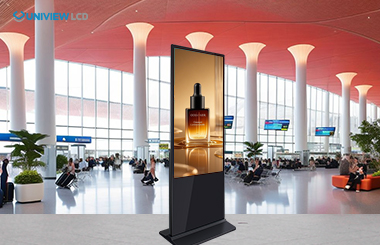
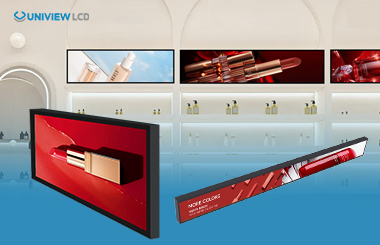
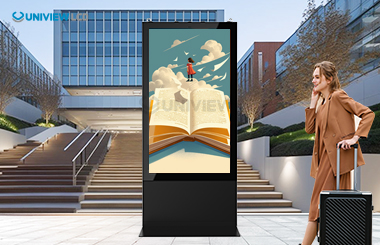
New developments in AI-powered content management, ultra-high brightness screens, and IoT connectivity are causing floor-standing digital signage to change in 2026. B2B buyers today want solutions that give them more than just insight. They want solutions that offer measurable engagement measures, business resilience, and easy integration with their current infrastructure. Modern digital screens that stand alone have industrial-grade IPS panels that can reach brightness levels of 2,500 to 3,500 nits. This means that they can work well even in store spaces with windows or transportation hubs that are partly outside. With powerful Content Management Systems and the ability to watch from afar, these vertical display solutions solve important problems like banner blindness, high print media costs, and the failure to send dynamic, real-time messages across networks with multiple locations.
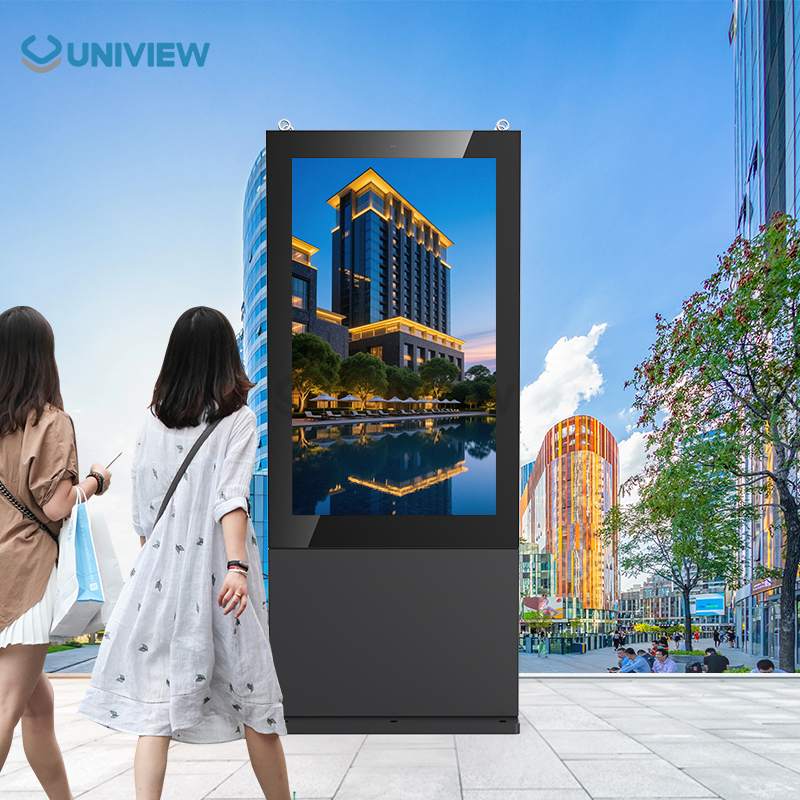
Instead of comparing specifications, strategic selection methods start with a full analysis of what is needed. By connecting specific use cases to technical requirements, you can avoid buying digital floor standing signage technology that doesn’t meet the needs of your business, which can be very expensive.
Installing in a business lobby requires style and brand consistency. For these circumstances, thin-profile designs with contrast ratios over 3,000:1 and 4K resolution display legible text and pictures in detail. High-end finishes and built-in architectural features that fit the building may be emphasized since the interior is largely controlled. In retail, lifespan, brightness, and material changeability are most significant. Heavy foot traffic areas demand vandalism-resistant shelters with easy-to-repair components. Split-screen features enable you to present promotional videos, product catalogs, and real-time inventory information simultaneously, satisfying numerous consumers. Systems at transportation hubs must be available 99.99% of the time and have redundant power sources and remote diagnosis. Airport and train station concourse anti-vibration fixings protect interior elements from structural movement. The signage must securely link to Flight Information Display Systems or transportation plan databases via APIs. Bigger panels and improved surface brightness are needed for long-distance reading.
The total cost of ownership for large companies depends on energy utilization. Smart brightness control and LED backlighting may reduce annual power expenses by 30–40% compared to set brightness units. Thermal management systems affect energy usage and part lifespan. Smart cooling solutions that switch on only when required may improve display panel life and reduce HVAC workload in small spaces. Content management flexibility and growth depend on connectivity options. Safe interior environments with dependable network infrastructure may use built-in Wi-Fi. 4G and 5G are essential for critical applications or areas where cable connectivity is unreliable. Media players play different material depending on their design. For complicated interactive programs or connecting to specialized software platforms, external PC installations have greater processing capability than embedded Android systems, which are cheaper and simpler to operate.
Working with reputable manufacturers provides more than product quality. Extended warranty coverage of three to five years demonstrates that the manufacturer trusts the product and helps you budget by avoiding unexpected repair expenditures. Global support infrastructure is crucial for worldwide deployments. 24-7 technical support in many languages and time zones keeps operations operating smoothly and preserves the brand’s image. UL safety standards, FCC electromagnetic interference limitations, CE marking, and RoHS environmental requirements reduce the danger of purchasing something and ensure that authorities in many markets will accept it.
Several major trends are coming together to change what businesses can do with vertical display technology. By improving participation, operational efficiency, and readiness for the future, understanding and applying these changes gives businesses a competitive edge in the digital floor standing signage market.
Real-time viewer analysis makes content more relevant. Modern camera systems use face recognition technology to gather viewer data like age, gender, and attention duration without violating privacy rules. The technology automatically shows expensive brands to well-dressed workers, family-friendly entertainment to parties with kids, or special bargains to repeat customers. The media player or external compute module must have adequate processing capacity to analyze video streams and modify content in milliseconds for the technological application to operate. Connecting to the cloud enables you to see data from several units, revealing traffic trends and content success metrics to inform marketing choices.
Environmental responsibility was formerly voluntary, but is now required for purchases. You satisfy your business’s environmental criteria and minimize expenses by using low-power LCD technology and recyclable materials. The latest display displays utilize less energy because quantum dot color improvement and local dimming reduce backlighting without harming color accuracy or brightness uniformity. Enclosure materials are increasingly created from recycled metal alloys and polymers, supporting the circular economy. Manufacturers are developing “take-back” initiatives to recycle obsolete devices and dispose of them responsibly.
Using gesture detection technologies makes communicating without touching simpler. Infrared sensor arrays and depth cameras can follow hand motions, making touchless navigation popular during health-conscious periods. The technology enables entertaining, collaborative remote experiences where touch displays wouldn’t function. Voice recognition makes the device easier to operate for persons who are carrying goods or have problems moving. Multimodal interactions make experiences accessible to all users, regardless of taste or competence.
Customizable configurations recognize that business demands change faster than gear replacement cycles. Modular covers allow you to alter screen size, media player size, or add parts without updating the system. This design philosophy extends equipment life and preserves the initial investment when demands alter. Standardized mounting connections make part swapping fast, reducing servicing time and downtime. This strategy is ideal for seasonal enterprises that install payment machines during busy months and switch to advertising displays during sluggish months.
Centralized control systems consolidate sign networks into well-coordinated communication systems. Cloud solutions let you schedule material from any internet-connected device without managing local storage or upgrades. Role-based access restrictions enable teams to manage distinct materials or locations while maintaining overall control. Analytics panels provide essential data, including content performance, device health, and energy utilization. Content is automatically published depending on product levels, event planning, social media trends, and weather when business systems are integrated.
When buying digital floor standing signage, strategic sourcing methods that are suited to that purpose increase value while minimizing risk. Because this type of technology is so different, it needs approaches that balance instant usefulness with long-term operational concerns.
Verifying authenticity prevents you from purchasing expensive, fraudulent, or low-quality items. Authorized dealer networks ensure that your purchases meet original manufacturer requirements and are guaranteed. As counterfeiters get smarter, verification becomes more critical. Small discrepancies in part quality may not show up during the first testing, but they may become problematic after months of use. For further assurance, request certification test results, component origin evidence, and manufacturing site inspections. Good manufacturers will readily provide this documentation as confirmation of their quality control.
Professional installation ensures system functionality and prevents setup issues. Experienced installers know what power is required, how to set up the network, where to put the equipment, and the safety standards for each location and usage. Coordinating arrival and assembly periods reduces storage expenses and handling damage. Phased rollouts enable big deployments by identifying issues with early units before the network is fully deployed. This allows for specification changes and further training. Recording installation photos, setup settings, and insurance registration information helps plan future maintenance and repairs.
When you order in quantity, you receive superior service and huge savings per item. Manufacturers frequently offer tiered rates, with discounts starting with 50 units and increasing with more. Consolidated deliveries and service level agreements that speed response times and assure priority component availability save shipping expenses in addition to hardware savings. The difficulty is balancing volume discounts, deployment schedules, and technological change risks. Buy too much merchandise, and the specifications may be obsolete before installation. Phased purchase agreements that commit to total quantities but stretch actual orders across four quarters achieve the best costs and enable specification modifications.
The future of vertical display technology shows how quickly new ideas are being developed, which is turning these screens from idle advertising tools into smart platforms for interaction. When making purchases in 2026, people need to think about how to include AI, meet sustainability standards, improve interaction, make modules more flexible, and use the cloud to handle floor-standing digital signage environments. When companies align their hiring standards with these new ways of thinking, they set themselves up for business success and to stand out from the competition. The technical specs are very important. For example, the brightness levels, environmental protection grades, panel quality, and connectivity choices have a direct effect on how well the display works in retail, business, leisure, and transportation settings. Strategic relationships with makers that offer strong support infrastructure, extensive warranties, and proven quality standards lower the risks of buying while letting you get long-term value from these communication platforms that are getting smarter all the time.
For more than ten years, Uniview Commercial has been providing high-quality LCD and LED display solutions to customers in more than 100 countries, making it a trusted digital floor standing signage maker. The units we make with our engineering skills have ultra-high brightness levels running from 2,000 to 4,000 nits, which makes them very visible in low light. Each unit has advanced thermal management, safety against water and dust up to IP65 to IP66, corrosion-resistant casings made with European surface treatment technology, and it runs quietly at 60 dB even when it’s outside. You can get full customization services that are made to fit your exact deployment needs. These services are backed by 3- to 5-year warranties and 24-hour expert help around the world. As proof of our dedication to quality, we offer third-party insurance coverage through China Pacific Insurance Company. This gives you even more peace of mind about your investment. Contact our team at sales@univiewlcd.com to talk about your project needs and find out how our all-in-one service method is a great value for system developers and brand owners who need trusted signage suppliers for large-scale deployments.
 English
 Chinese (Simplified)
 Japanese
 Spanish