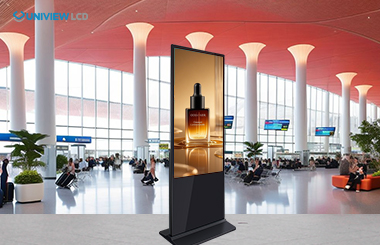
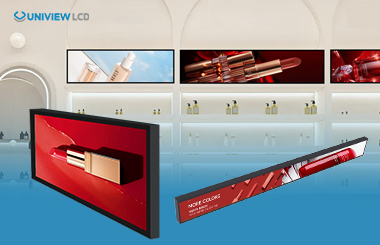
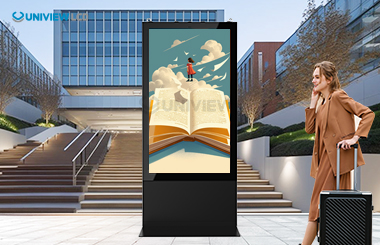
Semi-Outdoor digital signage can cut advertising costs by a lot in a number of ways. When put in protected areas like covered walks, transit platforms, and building entrances, these displays last longer and need less upkeep than units that are completely outside. By adding safety features like higher brightness ratings and some weatherproofing, Semi-Outdoor digital signage reduces ongoing costs connected with printed materials and increases the useful life of the system. LED backlighting that uses less energy and smart heat control cut costs even more. By updating dynamic content online, businesses can avoid the costs of printing and shipping. This helps them cut their overall advertising costs while keeping the high visual effect in the transportation, hotel, and retail sectors.
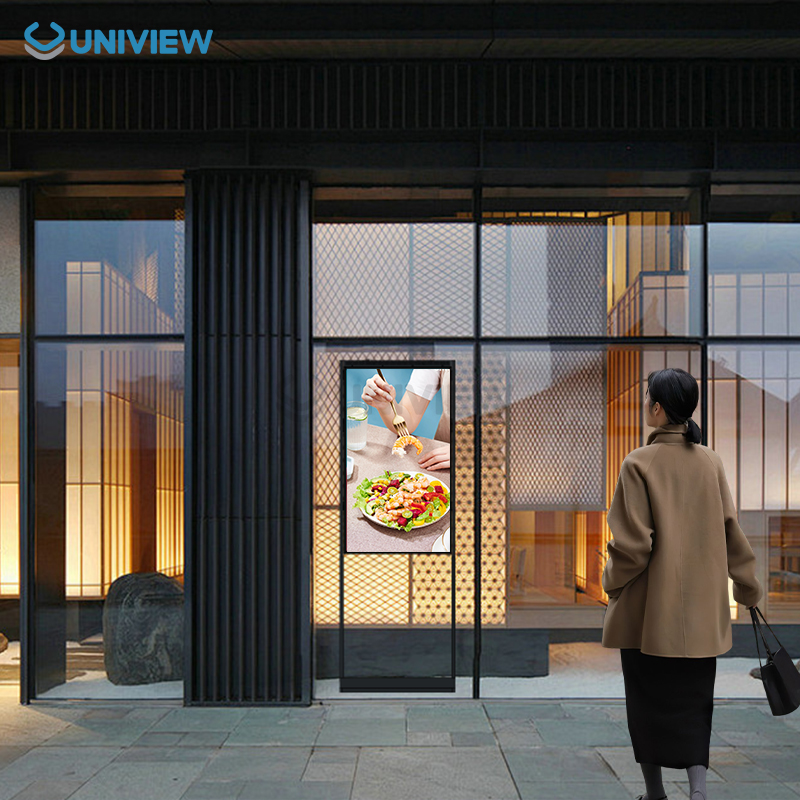
To understand the financial picture, you need to compare Semi-Outdoor digital signage to other forms of advertising across a number of cost factors. This comparison shows where semi-outdoor options offer better value over the course of their working lifecycle.
Because they don’t have to be as waterproof and don’t have to be as bright, semi-outdoor units usually cost 30 to 50 percent less than fully outdoor models with the same screen size. A 55-inch semi-outdoor screen can cost between $2,500 and $4,500, but a fully outdoor screen of the same size usually costs more than $6,000 to $8,000. Indoor displays are cheaper at first, but they don’t last as long in changing environments and often break within months of being exposed to changes in temperature and humidity.
While LED video walls look amazing, they cost a lot more to install and usually cost more than $1,500 per square meter, which includes the equipment for the installation. For the same coverage area that three to four semi-outdoor LCD screens can cover, installing LEDs may cost three times as much and require special hanging structures and complicated power systems.
All digital advertising sites have to pay a lot of money every month to use energy. Depending on the size and brightness of the screen, Semi-Outdoor digital signage usually consumes 150 to 300 watts of energy, which costs about $130 to $260 a year at standard business electricity rates. Fully outdoor screens that are brighter than 3,000 nits use 400 to 600 watts of power, which almost doubles the annual cost of energy use. While static printed advertising doesn’t use energy, it does have ongoing costs for printing, shipping, and installation work that add up to more than digital operational costs within 18 to 24 months.
Different cost models are also based on the need for maintenance. Professional maintenance is needed about once a year for semi-outdoor units that are kept in safe places. This maintenance mostly includes cleaning, software changes, and connection checks. Fully outdoor units need maintenance every three months because of the faster wear that comes from being out in the weather, while indoor units that are used in places other than their recommended setting need emergency fixes often, which cost an average of $300 to $500 per intervention.
When you look at the five-year total cost of ownership, you can see that Semi-Outdoor digital signage has strong benefits in the right situations. A normal setup costs between $8,000 and $12,000. This includes buying hardware, setting it up, using energy, paying for content management services, and upkeep. Comparable fully outdoor installations cost between $15,000 and $22,000, while the production and installation costs of standard printed advertising campaigns that change content every three months add up to between $18,000 and $25,000 over the same time period, without the engaging benefits of dynamic digital content.
Implementing planned Semi-Outdoor digital signage can lead to measurable financial benefits in a wide range of businesses. These examples show how companies can get the most out of their advertising dollars while also getting customers more involved.
A network of 120 static directional signs and promotional posters was replaced by 40 semi-outdoor displays that were put carefully in covered parking structures, entrance canopies, and paths that connect the malls. The digital network made it possible for real-time changes to wayfinding, flash sales, and renter advertising, which brought in $45,000 a month from stores that bought ads. The $180,000 cost of installation was paid for by advertising income in seven months, and promotional materials no longer cost $8,500 a month to make and place. The network keeps making a net positive cash flow and giving customers a better experience by giving them active, up-to-date information.
At 85 covered bus shelters, an urban transit authority placed Semi-Outdoor digital signage that shows route information, service alerts, and paid advertising. The system replaced old static route plans that had to be updated by hand every time the service changed. This saved $120,000 a year in sign replacement costs. Advertising sales to local businesses bring in $280,000 a year, turning a cost into an asset that brings in money. Integration of real-time arrival information into the transport management system makes passengers happier and cuts down on customer service calls.
A resort hotel company put up displays that were partly outside on covered paths that led from hotel rooms to restaurants and leisure areas. Printed materials that had to be changed every day because they got damaged by the weather in semi-exposed areas were replaced with digital directories, activity schedules, and advertising content. Saving $32,000 a year on printing costs makes the guest experience better with up-to-date, eye-catching visual messages. The displays also make money through relationships with local businesses and sites that buy advertising space on them. This brings in an extra $18,000 a year.
To choose the right Semi-Outdoor digital signage solutions, you need to carefully look at the technical details, the supplier’s skills, and the overall cost over the life of the solution. When making buying choices, smart people weigh the initial investment against the long-term dependability and efficiency of operations.
Although brightness is the most important factor, 1,500 to 2,500 nits is more than enough for most semi-outdoor uses. Higher brightness raises the price and uses more energy without improving sight in protected areas by the same amount. Industrial-grade IPS or VA LCD screens that can work in temperatures from -20°C to +50°C ensure steady performance all year long without the need for expensive climate control systems.
Ingress protection ratings of IP54 or IP55 are good enough to keep out dust and moisture in closed areas without having to pay as much for IP65 or IP66 ratings, which are needed for fully open areas. Tempered glass front protection with anti-reflective coats makes it easier to read in normal lighting and protects interior parts from being hit by mistake.
Manufacturers with a good reputation show their engineering skills by providing detailed technical paperwork that includes thermal management specs, panel lifetime rates under real-world working conditions, and compliance certifications from well-known standards groups. For professional-grade semi-outdoor units, warranties usually last between three and five years and cover things like screen uniformity, backlight performance loss, and replacing parts.
Global service networks make it possible for responsive support to be provided across spread deployments. This is especially helpful for international stores, hotel groups, and transportation companies that are in charge of installations in multiple locations. Suppliers that offer installation services, commissioning support, and specialist training make sure that the equipment is set up correctly so that it lasts as long as possible and the guarantee is honored. Support for compatibility and interaction with content management systems makes it easier to use with current digital infrastructure.
When you buy in bulk, you can get big discounts on prices. Usually, the discounts start at 10 units and get bigger as you buy more. To make accurate cost comparisons, purchasing managers should ask for thorough quotes that break down hardware, mounting hardware, content management licenses, installation services, and choices for longer warranties. Customization options, such as logos, housing colors, and mounting setups, make the product more useful for uses that need to look good in architectural settings.
The performance requirements, guarantee coverage details (such as reaction times and replacement processes), and content management system licensing models should all be spelled out in the contract terms. Buyers can be sure that a supplier’s claims are true by asking to see examples of setups that have been used in similar situations and locations.
Proper installation and routine repair methods protect investments in Semi-Outdoor digital signage equipment while keeping total ownership costs as low as possible over the life of the equipment. Using a strategic approach to rollout and maintenance of Semi-Outdoor digital signage can help you avoid early failures and costly emergency fixes.
Professional site studies find the best places to put things by looking at things like ambient light exposure, pedestrian sightlines, the strength of the building, and how close it is to electricity infrastructure. When placing ads correctly, they work better and cause less damage to the environment. To keep things as healthy as possible, avoid places where the morning or afternoon sun hits screens directly, even if there is coverage from above. This is because long-term sun exposure speeds up the degradation of backlights and makes cooling systems work harder.
Secure mounting systems that are designed to hold a display’s weight plus safety factors, to keep it from coming off by mistake. This is especially important in public places where falling equipment could cause damage or injury. Manufacturers usually say that there should be 10-15 cm of space behind containers to allow airflow for heat management systems. These spaces should be included in installations. Even in partially covered areas where water can get in sometimes, electrical lines must meet local rules and have the right circuit protection, grounding, and weatherproof junction boxes.
Trained techs do checks every three months to find new problems before they get so bad that they need expensive replacement parts. Inspection procedures should include cleaning the glass to keep it as bright and clear as possible, checking the ventilation openings to make sure dust doesn’t build up and block airflow, checking the connection points for corrosion or loosening, and checking the firmware version to make sure security patches and performance improvements are still up to date.
A full service once a year includes cleaning the inside with compressed air to get rid of dust that has built up on electronic parts and cooling fans, testing the thermal management system to make sure the fans are working right and the temperature sensors are accurate, and calibrating the display to keep the colors and brightness even. Professional maintenance usually costs between $150 and $300 per unit per year, which is a lot less than the average $500 to $800 per incident in reactive repair costs that happen when preventative care isn’t done.
Remote tracking platforms that are built into content management systems keep an eye on operating state, such as patterns of power use, readings of internal temperatures, proof of content playback, and error situation alerts. These systems let facility managers find problems right away, instead of waiting for customers to report or for regular site visits to find out about problems. This cuts down on advertising downtime and the money that is lost because of it. Predictive analytics find patterns of performance degradation that point to upcoming component failures. This lets replacements be planned for regular maintenance visits instead of emergency service calls that cost a lot of money for the work.
Through a variety of processes, including initial purchase savings, operational efficiency, and maintenance optimization, Semi-Outdoor digital signage offers quantifiable advertising cost savings. Strategic deployment in safe transitional places makes equipment last longer, and the ability to change material on the fly saves money on printing and shipping costs that come up over and over again. Total cost of ownership benefits become more noticeable over longer operating periods. This is because saves from not having to make materials, using less energy compared to fully outdoor options, and longer service times add up. Real-world examples in the transportation, retail, and leisure industries show that they can directly cut costs and make money. When companies buy things, they have to balance technical specs with what the seller can do and the overall cost of the product over its lifetime. This helps them get the most out of their advertising dollars and keep customers interested with new, visually appealing messages.
 English
 Chinese (Simplified)
 Japanese
 Spanish