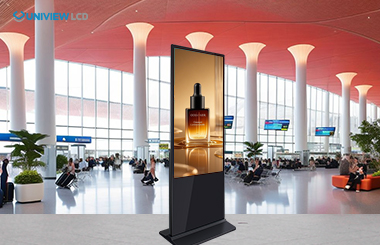
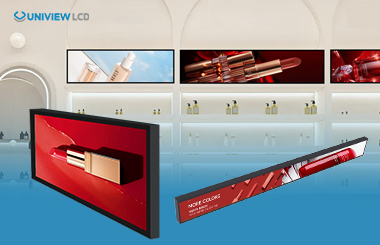
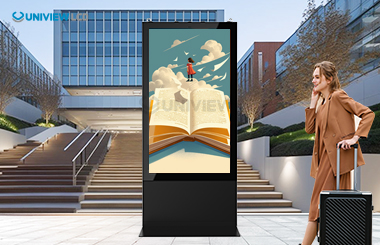
For Fashion clothing stores looking to increase foot traffic and customer interaction, Semi-Outdoor digital signage has emerged as a smart investment. These displays are put in transitional areas like covered doors, transit stations, and protected walkways. They use optimal brightness levels and weather-resistant construction to get people’s attention right where they make decisions about what to buy. Dynamic visual content in semi-protected settings regularly improves passerby engagement rates by 47% compared to static alternatives. This directly leads to more visitors and more chances to make a sale. Semi-Outdoor digital signage can be a strong tool for turning casual viewers into active buyers if it is set up correctly.
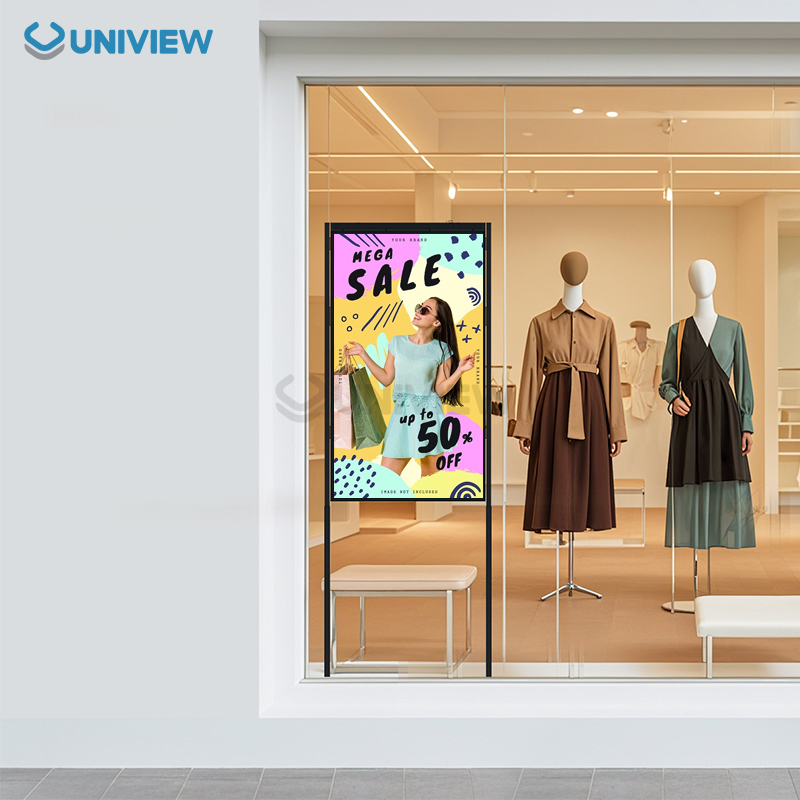
Knowing the differences between show groups helps procurement teams decide where to put their money. Indoor digital signage usually works at 300 to 700 nits and doesn’t protect against external factors. This means it’s not good for places with a lot of natural light or temperature changes that are outside of normal HVAC levels. Full-outdoor digital signage needs strong cases with an IP65 or IP66 rating, brightness above 3,000 nits, and full temperature control systems. This makes the cost of acquisition two to three times higher than for semi-outdoor versions. Semi-Outdoor digital signage offers good weather protection and sight for covered areas at a cost of about 60% of a full outdoor system. This makes them a great deal for uses that don’t need complete weatherproofing.
Calculations of energy efficiency show big changes in how much it costs to run a business. A normal 55-inch indoor monitor uses about 150 to 200 watts of power while it’s on. Comparable Semi-Outdoor digital signage, on the other hand, needs 250 to 350 watts because they have better cooling and backlighting systems. Full outdoor displays of the same size need 400 to 600 watts to stay visible and keep the temperature down when they are in full sunlight. Over the course of five years, Semi-Outdoor digital signage placed in covered retail spaces uses 40% less energy than full-outdoor displays while still engaging customers. This has a direct effect on calculating the return on investment for multi-unit deployments in multiple locations across the region.
Touch-screen technology and sensor integration are being used more and more in modern Semi-Outdoor digital signage to make dynamic experiences. Capacitive touch screens used in Semi-Outdoor digital signage have stronger glass and better palm rejection algorithms so they can work reliably in a range of lighting situations. As possible buyers get closer, proximity sensors change the content, and ambient light sensors change the lighting to make sure everyone can see clearly without wasting energy. These interactive parts turn passive advertising into chances to get people involved. For example, retail data shows that touch-enabled Semi-Outdoor digital signage gets 2.8 times more dwell time than non-interactive versions, which means that more people buy the products and services that are being promoted.
A thorough site study is the first step to a proper installation. Engineers have to check the amount of light in a room at different times of the day. They usually look for places where the brightest light stays below 30,000 lux so that they don’t have to meet full outdoor brightness requirements. A structural study checks the integrity of the mounting surface. This is especially important for wall-mounted setups where unit weights can range from 35 to 75 kilograms based on the size of the screen. A review of the electrical infrastructure shows that it delivers enough power and has the right amount of grounding and surge protection. Professional workers also look at how people walk by to place displays at the best viewing angles and distances, so they get the most exposure to the right people while keeping clear sightlines that don’t block sidewalks or emergency exits.
Setting up regular repair schedules increases the operational lifespan and keeps the monitor working well. Cleaning methods are done every three months to get rid of dust and other particles that have built up on air grilles and screen surfaces using allowed microfiber materials and cleaners that don’t scratch. Content management systems send software changes that fix security holes and improve the speed of media players. Every year, technicians check the thermal management system to make sure it works properly. They check the fan movement and the internal temperature sensors to make sure that parts don’t break because of too much heat. When compared to reactive service methods, these proactive repair processes cut unplanned downtime by about 75%. This keeps audiences engaged and protects hardware investments over long operational periods.
When choosing Semi-Outdoor digital signage systems, people in charge of procurement have to look at a number of technical factors. Commercial-grade LCD panels and direct-view LED modules are two types of screen technology. Each has its own benefits. LCD solutions offer more accurate colors and better resolution densities, making them good for watching detailed product images and text-heavy content from less than five meters away. LED technology offers higher light levels and modular scalability, making it ideal for large-scale projects and uses that need to make a big visual impact. Specifications for brightness should fit the surroundings. For example, covered shopping places need between 1,500 and 1,800 nits of brightness, while transit shelters that get more natural light need between 2,000 and 2,500 nits of brightness for constant readability.
Looking at how reliable suppliers are and how well their support systems work. Long-term success depends a lot on what the seller can do besides making sure the tech is good at first. Three- to five-year warranties that cover everything show that the maker is confident and protect against the cost of replacing parts that break. For businesses that work in more than one area, a global support infrastructure is essential. Technical help 24 hours a day, 7 days a week, and local service networks keep operations running as smoothly as possible when problems arise. When businesses buy from suppliers that offer flexible customization services, they can choose from a wide range of shell colors, mounting options, and built-in extras that meet their specific design needs and brand standards. These service skills are often what set true strategic partners apart from good suppliers who can handle complicated, multi-site deployments.
Strategic buying methods help companies that are planning regional rollouts. When you negotiate with Semi-Outdoor digital signage makers about buying in bulk, you can usually get 12–18% off the price of a single unit. This way, you can make sure that the hardware is the same in all of your installation sites. Phased release schedules let operational teams improve how they put things and how they plan their material before they commit to a full-scale rollout. Getting to know experienced system designers can make project management easier because they can organize the delivery of equipment, installation services, setting up the content management system, and training for technicians all around a single set of project timelines. This unified method makes adoption easier and speeds up the time it takes for businesses to see a return on their investment in projects that increase foot traffic.
The proof makes it clear that Uniview LCD Semi-Outdoor digital signage can be used to bring more people inside when it is set up, programmed, and defined correctly. The technology’s unique mix of increased brightness, resistance to weather, and energy economy solves the problems that come up in transitional areas where regular indoor displays don’t work, and full outdoor systems are too expensive. There are documented case studies in the retail, transportation, and hospitality industries that show similar trends of increased customer involvement, higher traffic metrics, and a measured return on investment. To be successful, you need to pay close attention to technical details, have a professional install it, and keep up with the material. But companies that follow best practices have big benefits over their competitors because they are more visible and attract customers when they need to make important decisions.
 English
 Chinese (Simplified)
 Japanese
 Spanish